For large-lot buyers, Ramadan is not just a season of worship — it is the annual commercial peak for dates. Import data show demand surges sharply in the first quarter ahead of Ramadan, and date sales can rise about 50% versus normal days at the start of the fasting month (antaranews.com). For resellers, agents, and event organizers, the question is not "whether to bulk-buy" but "when and how much". This article lays out a bulk stock strategy with a clear timeline.
Why Timing Determines Margin
Before Ramadan, two things move together: demand rises and prices tend to rise too. Trader commentary notes that earlier purchasing — several weeks before Ramadan — generally offers more stable prices and fuller stock than buying close to the day (asahtrading.com). For resellers, a lower buy price secured early directly widens margin when selling at the seasonal peak.
This seasonal pattern is no accident. Import data show a sharp surge in the first quarter each year as Ramadan preparations build, with February import volumes typically spiking versus earlier months (timesindonesia.co.id). This means the entire supply chain — from importers to retailers — moves in unison during the same period. Buyers who act ahead of the crowd enjoy two advantages: prices not yet fully pushed up, and availability of varieties and grades still complete before favorite stock is absorbed by the market.
Bulk Stock Timeline: D-90 to D-0
Splitting purchases into phases reduces risk while protecting cash flow. Here is an adaptable timeline framework:
| Phase | Period | Action | Stock Share |
|---|---|---|---|
| D-90 to D-60 | ~3-2 months before | Survey prices, lock supplier, order core stock | ~40-50% |
| D-60 to D-30 | ~2-1 months before | Main bulk-buy of flagship varieties | ~30-40% |
| D-30 to D-7 | ~1 month-1 week | Top up to sales trend | ~10-20% |
| D-7 to D-0 | Final week | Emergency restock (peak prices) | as needed |
The logic: secure most stock early when prices are more stable, leave room to adjust to real demand, and minimize emergency buying in the final week when prices are usually highest.
How Much Stock Should You Bulk-Buy?
There is no single number — it depends on selling capacity, capital, and storage. A safe approach:
- Look at last year's data — if you have sold before, use sold volume as a baseline.
- Start conservative — for beginners, it is better to sell out and re-order than to pile up dead stock.
- Split by variety — allocate more to fast-moving value varieties, less to high-margin premiums.
| Seller Profile | Volume Strategy | Variety Focus |
|---|---|---|
| Beginner reseller | Conservative, fast re-order | 1-2 popular varieties |
| Experienced reseller | Core bulk + top-up | 3-5 varieties |
| Agent/distributor | Large volume in phases | Full range |
Reading Market Signals Before Buying
Smart large-lot buyers do not guess; they read signals. Some indicators worth monitoring before the season: price movements early in the first quarter, news about supply from origin countries, and prior-year demand trends in your local market. If signals point to tight supply or prices rising faster than usual, securing core stock early becomes even more important. Conversely, if supply is abundant and prices are stable, you have more room to wait and buy in phases. The point is that timeline flexibility should adapt to the current year's market conditions, not be run rigidly.
Allocation Strategy by Variety
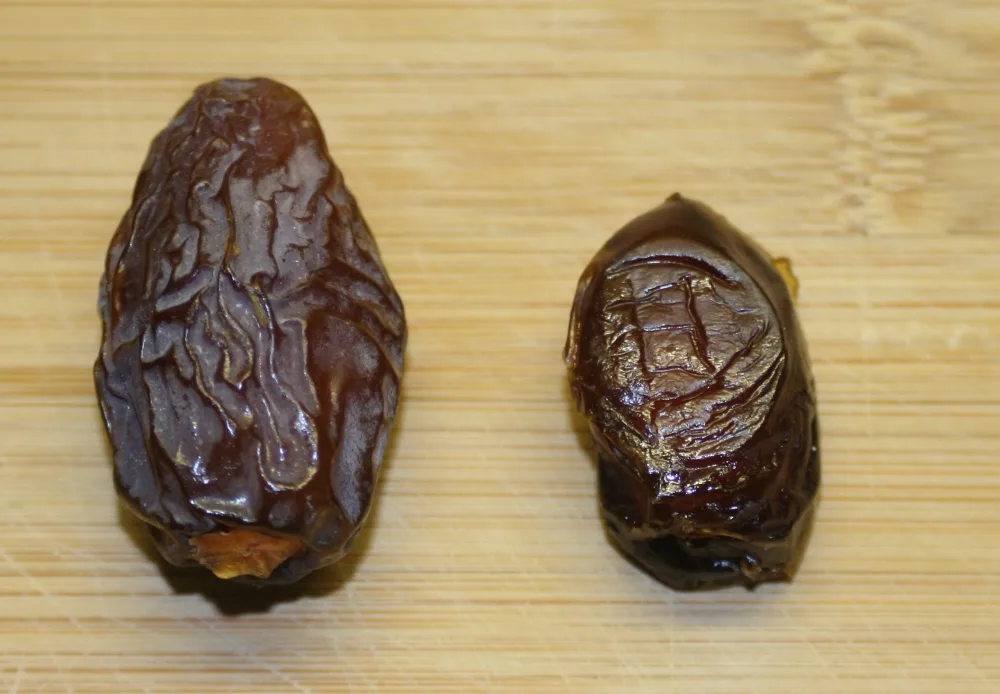
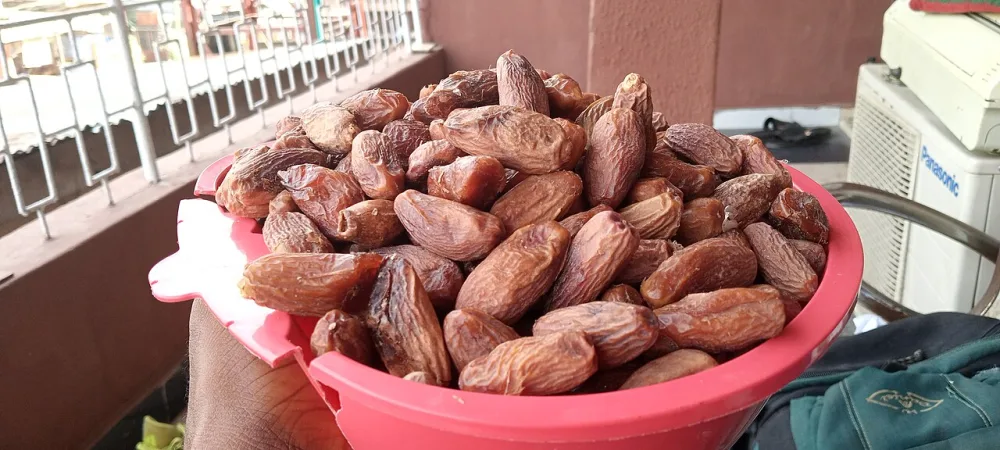
Bulk-buying is not only about total kilograms but also composition. Value varieties such as Egyptian dates usually turn over fastest because they are affordable and in demand for mass iftar — allocate the largest share here. Mid varieties like Sukari balance volume and margin. Meanwhile premiums like Medjool, Ajwa, or Safawi turn over more slowly but deliver a much higher per-kilogram margin, suited to the gift and souvenir segment. Splitting stock proportionally to your market's demand pattern prevents capital from piling up in slow-moving varieties.
Capital and Cash-Flow Management
Buying early means capital is tied up longer. Manage it wisely:
- Don't drain all capital in one purchase — keep some for top-ups and operations.
- Calculate turnover — the faster stock sells, the healthier the cash flow.
- Consider payment terms — for large volumes, ask the supplier about staged payment options.
Avoiding the Overstock Trap
The biggest temptation before Ramadan is over-buying out of fear of running out. Yet unsold stock after Eid becomes a burden. Tips to avoid it:
- Match volume to real demand, not seasonal euphoria.
- Prioritize varieties proven to sell in your market.
- Store stock properly — cool, dry, away from sunlight — to preserve quality through the season.
- Have a plan for post-Eid leftover stock (discounts, bundles, or regular sales).
The Role of a Reliable Supplier
A stock strategy only works if the supplier is dependable when demand peaks. Choose a supplier with strong stock and large-scale distribution experience so supply stays secure (masakini.co). Location proximity also matters: our warehouse in Cakung, East Jakarta enables fast restocking across Jabodetabek, crucial when you need a sudden top-up mid-season.
Summary
Bulk-buying dates before Ramadan is about timing and discipline. Secure core stock early (D-90 to D-30) when prices are more stable, leave room to top up, and avoid emergency buying in the final week. Manage capital so it is not fully tied up, and match volume to real demand to avoid dead stock. To plan your Ramadan bulk procurement and secure stock from a supplier ready for the surge, contact WhatsApp +62 823-4350-8579.