Dates: An Energy-Dense, Nutritious Fruit
Dates are more than a sweet snack. As an energy-dense fruit, they hold a range of important nutrients. This article reviews date nutrition based on reference data and discusses health benefits honestly — including the popular topic of dates in pregnancy. To be clear up front: this article is educational and not a substitute for medical advice.
Date Nutrition per 100 Grams
Based on general nutrition data (referencing sources like the USDA), dried dates contain approximately:
| Nutrient | Per 100 g (approx.) |
|---|---|
| Energy | ~282 kcal |
| Carbohydrates (natural sugar) | ~63–70 g |
| Dietary fibre | ~7 g |
| Potassium | ~696 mg |
| Iron | ~0.9 mg |
| Magnesium, copper, manganese | Significant amounts |
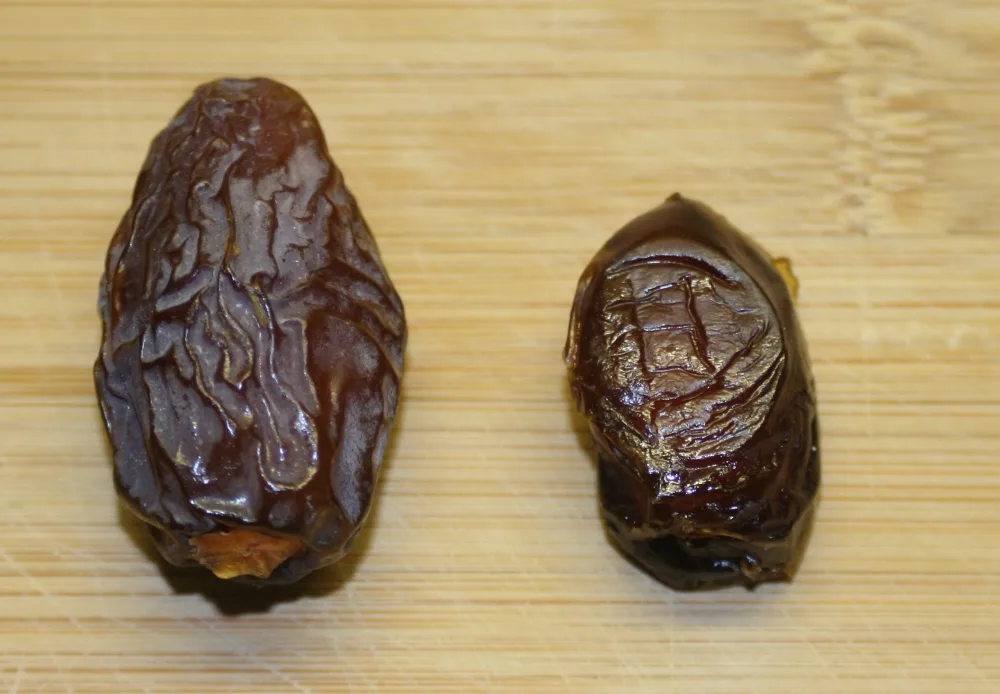
Dates also contain B-complex vitamins (B1, B2, B3, B6, folate) and natural antioxidants. Exact composition varies by variety — Medjool is rich in potassium, Ajwa high in antioxidants, and Piarom nutrient-dense due to its low moisture.
Health Benefits Supported by Its Nutrition
- A fast energy source: natural sugars (glucose & fructose) give instant energy — ideal for breaking the fast.
- Supports digestion: its fibre content aids smooth bowel movement.
- Good for the heart: potassium and magnesium help regulate blood pressure.
- Contains iron: contributes to daily needs, though not a primary source.
- Antioxidants: polyphenols help fight free radicals.
Dates in Pregnancy: What Does Research Say?
This topic is very popular. Several meta-analyses associate eating dates in late pregnancy with shorter labour duration, less need for induction, and better cervical dilation on hospital admission. But it is important to be honest: the quality of some studies is limited and results aren't always consistent — some research finds no significant effect. So dates can be part of a healthy pregnancy diet, but they are not a guarantee and should be discussed with a midwife or obstetrician.
What About People with Diabetes?
Dates are high in natural sugar, yet some varieties have a low-to-moderate glycemic index thanks to fibre. People with diabetes are generally advised to eat small portions and pair them with protein or healthy fats (such as nuts). This is not medical advice — always consult a healthcare professional.
How to Enjoy Dates Healthily
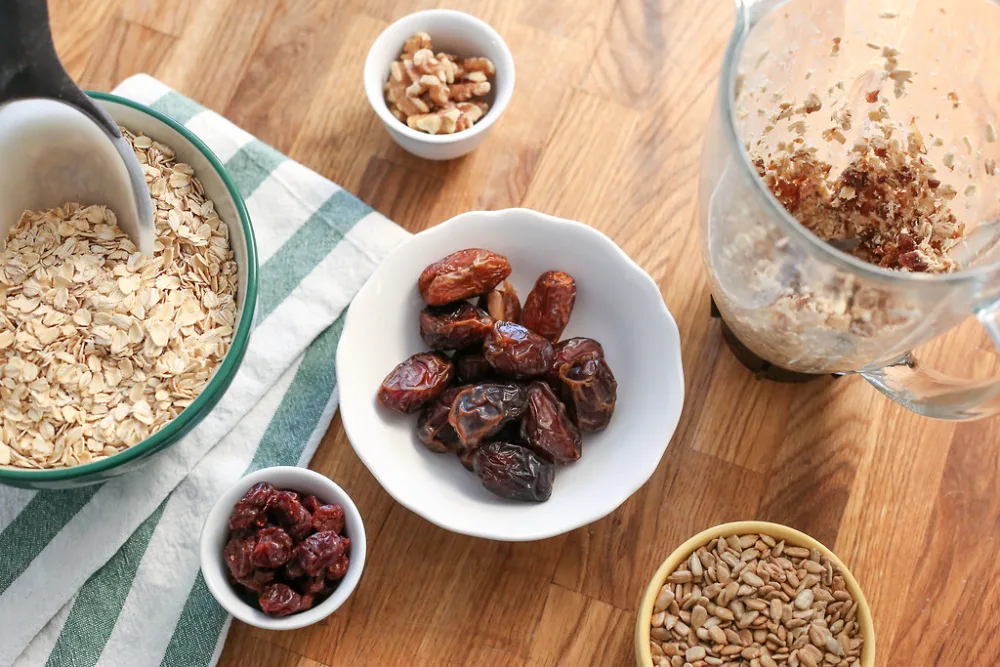
Enjoy dates in sensible portions (a few per day). Pair them with nuts, yogurt, or oatmeal to slow sugar absorption. Choose authentic dates without added sugar or preservatives — varieties like Sukari and Medjool are already naturally sweet.
Closing
Dates are a nutritious fruit with benefits supported by their composition. Still, they remain energy-dense and high in natural sugar, so portion size matters. For specific health needs — including pregnancy and diabetes — always consult a professional.