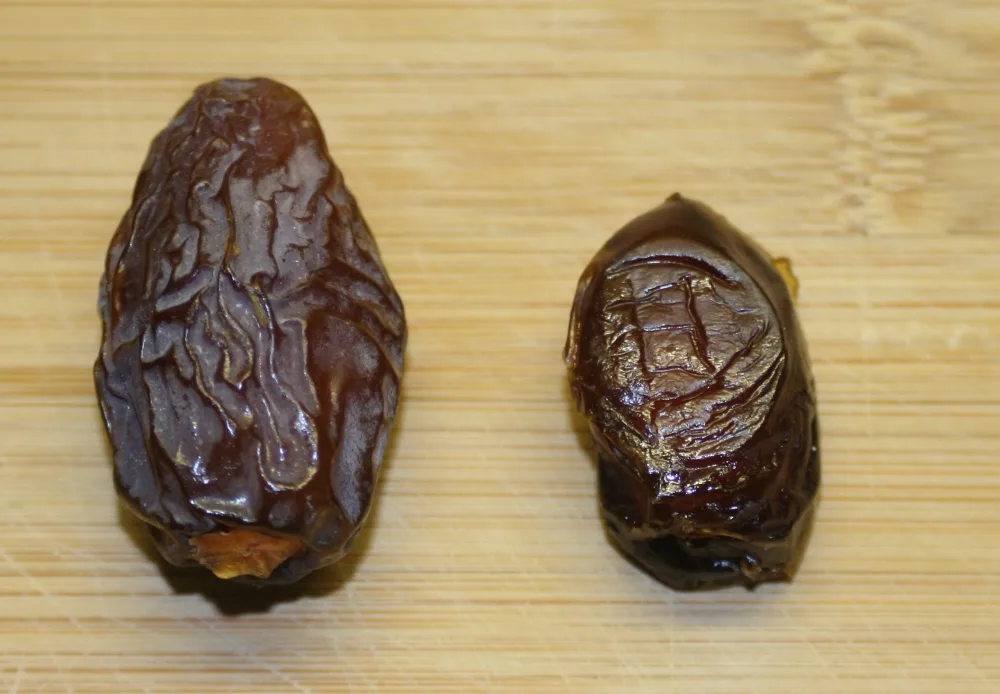
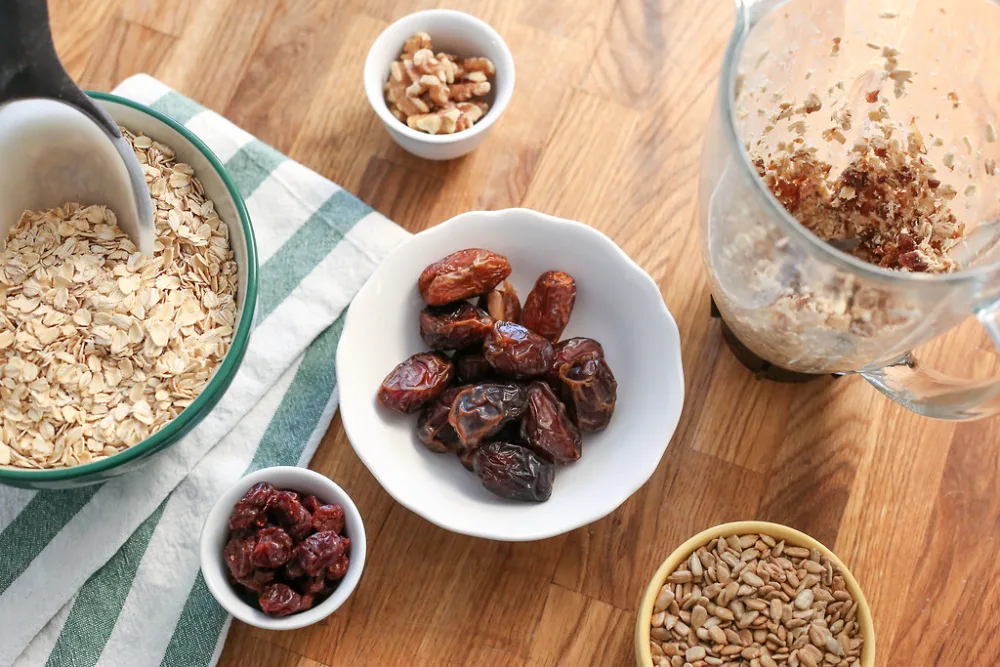
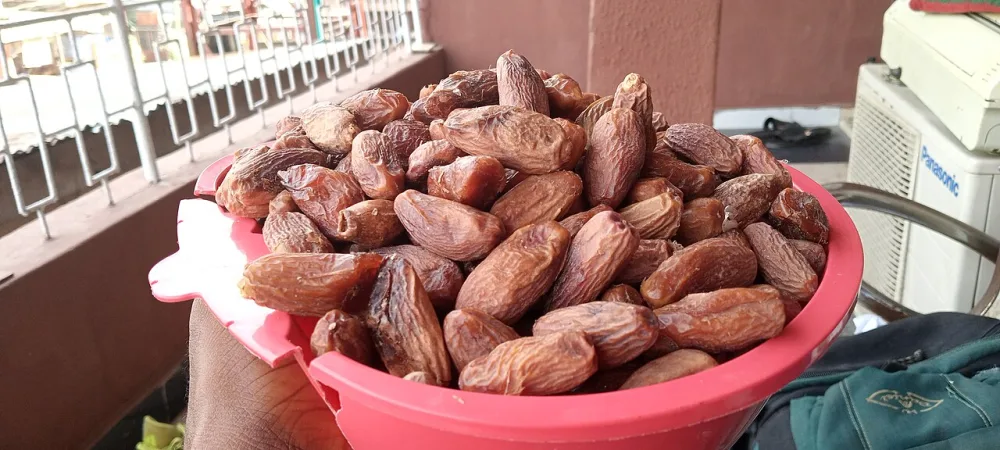
"Just buy in bulk so it's cheaper" is common advice, but how true is it? Buying dates in bulk does lower the per-kilogram price, yet not every buyer automatically benefits. This article breaks down the economics of bulk dates honestly: how big the wholesale vs retail gap is, how to calculate break-even, and which buyer profiles are best suited to bulk.
The Wholesale vs Retail Price Gap
The principle is clear: wholesale prices are lower because of volume discounts from producers and the removal of retail costs such as small packaging, shop rent, and counter service (accurate.id). For dates, cross-market wholesale reviews note that bulk prices are generally 10-30% below retail, and buying 100 kg and up can cut per-kg cost by around 15-25% (ottopay.id). The size of savings depends on variety, grade, and volume.
| Purchase Volume | Per-Kg Price Position | Savings vs Retail |
|---|---|---|
| Retail 1-3 kg | 100% (baseline) | - |
| Carton 5-10 kg | ~85-90% | ~10-15% |
| 50-100 kg | ~80-85% | ~15-20% |
| 100 kg and up | ~75-85% | ~15-25% |
The figures above are indicative. What is certain is that the savings curve flattens: the biggest jump happens moving from retail to carton, then the marginal benefit shrinks at very large volumes.
Understanding MOQ: The Ladder to Wholesale Pricing
Every supplier sets a different minimum order quantity (MOQ). Wholesale-market reviews note MOQ can start from 5 kg for small buyers, then 10-25 kg, up to 100 kg or more for large suppliers (mas-software.com). The higher the MOQ you meet, the lower the per-kg price typically offered. For beginners, choosing a low MOQ allows quality testing before a big commitment.
Wholesale-market reviews also suggest comparing two to three suppliers on price and terms before deciding, and negotiating especially if you are just starting out (mas-software.com). This comparison matters because the "wholesale price" is not a single number — each supplier has a different grade structure, net contents, and volume tiers. Comparing fairly means matching variety, grade, and net weight first, then looking at the per-kilogram price landed at your warehouse.
How to Calculate Break-Even
Bulk only pays off if you actually consume or sell the stock. Calculate break-even with three questions:
- What is the per-kg price gap? For example retail Rp X, bulk Rp X minus the savings.
- What minimum volume makes the savings cover the risk? Unsold stock erases the savings.
- What are the hidden costs? Shipping, storage, and potential shrinkage.
Simple Illustration
| Profile | Need | Bulk Worth It? |
|---|---|---|
| Family consumption | 1-2 kg/month | Usually no |
| One-time event | 10-50 kg | Yes, by carton |
| Active reseller | 50-200 kg/month | Yes, clearly |
| Distributor/caterer | Hundreds of kg+ | Very worthwhile |
Who Should Buy in Bulk?
Strong Fit
- Resellers and agents — the per-kg gap becomes direct margin.
- Large-event organizers — weddings, gatherings, communal iftars, CSR.
- Caterers, cafes, bakeries — dates as a routine ingredient.
- Mosque and community committees — mass iftar needs.
Should Reconsider
- Household consumers with small needs — risk of excess stock.
- Beginners without a confirmed market — try a small volume first.
- Without adequate storage — dates need a cool, dry place.
Case Study: A Ramadan Reseller
Imagine a reseller confident they can sell 150 kg of value dates during the Ramadan season based on last year's experience. If they buy retail, the per-kg cost base is high and margin thin. If they bulk-buy by carton in a quantity matched to the sales target, the per-kg cost base drops significantly, and the gap directly becomes extra margin on every kilogram sold. Because they already have a sense of demand, the risk of dead stock is relatively small. This is the classic case where bulk clearly pays off: measured demand, available storage, and enough capital to hold stock until it sells.
Conversely, a beginner with no sales track record who is tempted to bulk-buy 150 kg just because the per-kg price is low faces a different risk. If only half the stock sells, the price savings do not cover the value of the tied-up stock. The key lesson: break-even is not only about the buy price, but about how certain that stock turns into sales.
Bulk Benefits Beyond Price
Price savings are not the only benefit. Buying from a single source delivers: consistent quality and grade, stock certainty when demand surges, consolidated packaging and shipping, and a supplier relationship that eases repeat ordering. For resellers, supply consistency is often as valuable as a low price. A supplier who already knows your order pattern can also prepare stock more easily when you need a fast mid-season top-up.
Risks to Measure
Bulk also carries risks: more capital tied up, storage space needs, and the chance of unsold stock. Dates keep relatively well when stored properly, but they still have a best-consumed window. So match your bulk volume to real demand, not merely the lure of a low per-kg price.
Summary
Buying dates in bulk is generally 10-30% cheaper per kg than retail, with the biggest savings when moving from retail to carton. But bulk only pays off if you consume or sell the stock. Resellers, event organizers, caterers, and community committees benefit most. To learn the price tiers and MOQ that fit your needs, request the latest bulk price list via WhatsApp +62 823-4350-8579.